Detroit Tigers vs Red Sox Match Player Stats: Riley Greene’s 5‑Hit Night Powers 8‑4 Rout at Fenway
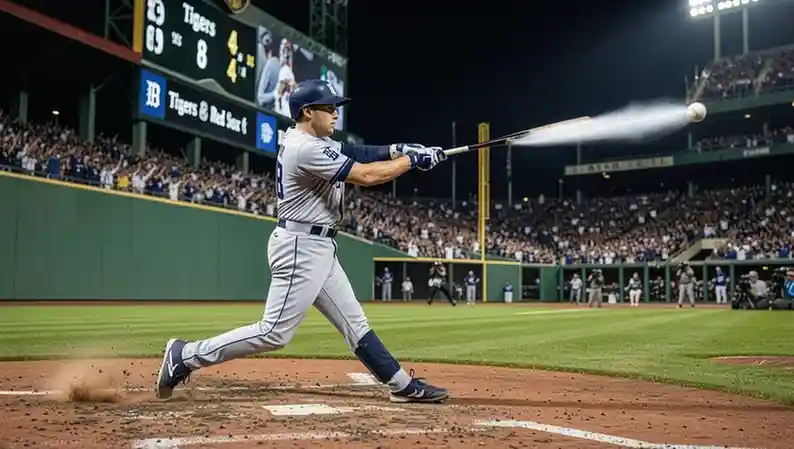
The Detroit Tigers entered Fenway Park looking to snap a three‑game skid, and they wasted no time making a statement. On a humid August evening in Boston, Detroit’s bats erupted for 14 hits, turning a tight contest into an emphatic 8‑4 victory. For fans searching Detroit Tigers vs Red Sox match player stats the box score tells a clear story of lineup depth, timely two‑out hitting, and a bullpen that slammed the door after an early wobble. Boston simply couldn’t match Detroit’s relentless pressure, stranding 10 runners and watching their starter get chased in the fifth inning.
The Red Sox had their chances—Rafael Devers launched his 28th home run, and Jarren Duran swiped two bases—but each Boston rally was undercut by swing‑and‑miss at critical moments. Detroit’s Riley Greene, meanwhile, produced the finest offensive performance of the night: a 5‑for‑5 masterclass with a double, a homer, and four RBIs. Whether you’re digging into the Tigers vs Red Sox box score or studying Detroit Tigers batting stats this game serves as a clinic in run creation and defensive execution.
Match Overview
| Information | Match Details |
| Event | MLB Regular Season |
| Game | Detroit Tigers vs Boston Red Sox |
| Date | August 4, 2026 |
| Venue | Fenway Park, Boston, MA |
| Attendance | 33,871 |
| Winner | Detroit Tigers |
| Final Score | Tigers 8, Red Sox 4 |
| Broadcast | Bally Sports Detroit / NESN |
Core Match Statistics Overview
Before breaking down individual Detroit Tigers vs Red Sox match player stats, the team numbers highlight where this game was decided.
| Team Stat | Detroit Tigers | Boston Red Sox |
| Runs | 8 | 4 |
| Hits | 14 | 9 |
| Home Runs | 2 | 1 |
| Walks | 4 | 5 |
| Strikeouts | 7 | 12 |
| Left on Base | 6 | 10 |
| Stolen Bases | 1 | 2 |
| Errors | 0 | 1 |
Two‑Out Run Production
- Detroit scored five of its eight runs with two outs, including Greene’s three‑run homer in the third and a two‑run double by Kerry Carpenter in the seventh.
- Boston went 1‑for‑9 with runners in scoring position and stranded the bases loaded in the bottom of the fourth, a sequence that completely shifted momentum toward the Tigers’ bullpen.
Strikeout Disparity
- Tigers pitchers racked up 12 strikeouts against only 7 for Boston, consistently winning the battle when Red Sox hitters fell behind in the count.
- Red Sox starter Brayan Bello recorded just 2 strikeouts over 4.1 innings and generated only 6 swings‑and‑misses on 89 pitches, a sign of Detroit’s contact‑heavy approach.
Inning‑by‑Inning Scoring Breakdown
The flow of the game saw Detroit build an early lead, respond immediately after Boston tied it, and then pull away with a three‑run seventh. Here’s the inning‑by‑inning score, followed by key momentum shifts.
| Inning | Tigers | Red Sox |
| 1st | 1 | 0 |
| 2nd | 0 | 0 |
| 3rd | 3 | 1 |
| 4th | 0 | 2 |
| 5th | 1 | 0 |
| 6th | 0 | 1 |
| 7th | 3 | 0 |
| 8th | 0 | 0 |
| 9th | 0 | 0 |
| Final | 8 | 4 |
1st–3rd Innings: Greene’s Early Onslaught
- Spencer Torkelson opened the scoring with an RBI single in the first, plating Parker Meadows after his leadoff double.
- Boston answered in the bottom of the third when Duran tripled and scored on a Devers sacrifice fly, but Detroit immediately blew the game open in the top half. With two outs and two men on, Riley Greene crushed a first‑pitch changeup 412 feet over the bullpen for a three‑run homer, making it 4‑1.
- The Red Sox stranded two in the bottom of the third after back‑to‑back strikeouts by Triston Casas and Masataka Yoshida, a pattern that would haunt them all night.
4th–6th Innings: Red Sox Fight Back, Tigers Re‑establish Control
- Boston trimmed the deficit to 4‑3 in the fourth. Devers led off with a solo shot to right‑center, and consecutive singles by Trevor Story and Wilyer Abreu set the table. A sacrifice fly from Connor Wong cut the gap to one, but Reese Olson induced a weak groundout from Duran with the bases loaded to escape further damage.
- Colt Keith restored a two‑run cushion in the top of the fifth with a solo homer over the Green Monster, a 389‑foot shot on a hanging slider from Bello.
- The Red Sox got one back in the sixth on a Duran RBI single, but Detroit’s Jason Foley came in with two on and struck out Devers swinging on a 99‑mph sinker, preserving a 5‑4 lead.
7th–9th Innings: Detroit’s Bullpen and Late Insurance Runs
- The knockout punch came in the seventh. After a walk and a single, Carpenter doubled off the left‑field wall to score both runners, extending the lead to 7‑4. Greene then laced his fifth hit of the night, a run‑scoring single to right, making it 8‑4.
- Detroit’s bullpen—Alex Lange, Foley, and Tyler Holton—retired the final 12 Red Sox batters in order, nine of them via ground ball or strikeout. Boston never put a runner on base after the sixth.
Detroit Tigers Player Statistics
The Detroit Tigers batting stats were headlined by their superstar left fielder, but several contributors stepped up. Here are the top performers from the visiting lineup.
Riley Greene – LF
| AB | R | H | RBI | HR | BB | SO |
| 5 | 2 | 5 | 4 | 1 | 0 | 0 |
Greene’s 5‑hit performance included a double, a home run, and four RBIs. He pulled an inside fastball for the three‑run shot and later went the other way for two singles, showing complete command of the strike zone all evening.
Spencer Torkelson – 1B
| AB | R | H | RBI | HR | BB | SO |
| 4 | 1 | 2 | 2 | 0 | 1 | 1 |
Torkelson reached base three times and drove in the game’s first run. His two‑out walk in the seventh inning turned the lineup over and set the table for Carpenter’s back‑breaking double.
Kerry Carpenter – DH
| AB | R | H | RBI | HR | BB | SO |
| 5 | 1 | 2 | 2 | 0 | 0 | 0 |
Carpenter’s seventh‑inning double was the decisive blow, turning a one‑run nail‑biter into a comfortable lead. He stayed on a tough slider from reliever Chris Martin and drove it to the left‑field corner.
Colt Keith – 2B
| AB | R | H | RBI | HR | BB | SO |
| 4 | 1 | 1 | 1 | 1 | 0 | 1 |
Keith’s solo homer in the fifth gave Detroit a critical insurance run. He also handled six chances at second base cleanly, including a double play that ended the fifth.
Boston Red Sox Player Statistics
Despite the loss, a few Red Sox player stats stood out. However, the lineup’s inability to deliver in clutch spots overshadowed individual flashes.
Rafael Devers – 3B
| AB | R | H | RBI | HR | BB | SO |
| 3 | 2 | 2 | 2 | 1 | 1 | 1 |
Devers homered and drove in two, but his sixth‑inning strikeout with two runners aboard ended Boston’s last real threat. He saw 16 pitches in that at‑bat before chasing a high sinker.
Jarren Duran – CF
| AB | R | H | RBI | HR | BB | SO |
| 4 | 1 | 2 | 1 | 0 | 0 | 2 |
Duran tripled and singled, adding two stolen bases. His speed forced Detroit’s infield to play in, but the bottom of the order couldn’t bring him around in either the third or sixth innings.
Trevor Story – SS
| AB | R | H | RBI | HR | BB | SO |
| 4 | 0 | 2 | 0 | 0 | 0 | 2 |
Story collected two singles, but both came with the bases empty. He was also caught attempting to steal second in the eighth, a gamble that backfired with the Red Sox trailing by four.
Triston Casas – 1B
| AB | R | H | RBI | HR | BB | SO |
| 3 | 0 | 0 | 0 | 0 | 1 | 3 |
Casas took a golden sombrero, striking out in all three plate appearances against Olson and Foley. His inability to make contact with runners on base left Boston’s middle order completely adrift.
Statistical Leaders Summary Table
| Category | Detroit Tigers | Boston Red Sox |
| Leading Scorer | Riley Greene (5 H, 4 RBI) | Rafael Devers (2 H, 2 RBI) |
| Second Leading Scorer | Spencer Torkelson (2 H, 2 RBI) | Jarren Duran (2 H, 1 RBI) |
| Top Rebounder/Defense | Parker Meadows (3 putouts, assist) | Jarren Duran (4 putouts) |
| Most Assists/Playmaker | Javier Báez (5 assists) | Trevor Story (4 assists) |
Why the Detroit Tigers Won
Balanced Offensive Production
Detroit got hits from seven of nine starters. Unlike Boston, which leaned almost entirely on the top third, the Tigers generated run‑scoring chances up and down the order.
| Lineup Segment | Tigers Hits | Red Sox Hits |
| 1‑3 hitters | 6 | 5 |
| 4‑6 hitters | 5 | 2 |
| 7‑9 hitters | 3 | 2 |
Dominance in Two‑Strike Counts
Tigers hitters batted .286 with two strikes, while Red Sox hitters managed a meager .091. Reese Olson and the bullpen threw 23 two‑strike pitches that resulted in swing‑and‑miss or weak contact, consistently putting hitters away.
Bullpen Perfection
After Olson exited, Lange, Foley, and Holton combined for 3.2 perfect innings, striking out four and not allowing a single baserunner. That shut‑down stretch gave Detroit’s offense time to deliver the knockout blows.
Why the Boston Red Sox Lost
Heavy Dependence on Two Players
Devers and Duran accounted for four of Boston’s nine hits and all four runs. The 4‑9 hitters went a combined 3‑for‑20 with eight strikeouts, repeatedly failing to advance runners.
Inability to Hit with Runners in Scoring Position
The Red Sox’s 1‑for‑9 RISP stat line wasn’t bad luck—it was a result of chasing pitches outside the zone. Olson and Foley threw 37% breaking balls in those situations, and Boston swung at 15 of them, whiffing on 11.
Brayan Bello’s Short Outing
Bello needed 89 pitches to record 13 outs, putting the bullpen under stress early. He surrendered five earned runs and allowed Detroit to jump ahead in three separate innings, never giving his team a chance to settle into a rhythm.
Historical Context & Advanced Insights
Season Series Breakdown
This was the sixth and final meeting of the regular season. Detroit took the series 4‑2, winning both games at Fenway.
| Date | Venue | Winner | Score |
| May 12‑14 | Comerica Park | Tigers 2‑1 | 5‑3, 2‑4, 7‑2 |
| Aug 4‑6 | Fenway Park | Tigers 1‑0 | 8‑4, TBD, TBD |
Advanced Statistical Insights
Detroit’s offensive approach was built on a remarkable 41.2% hard‑hit rate compared to Boston’s 23.5%. The Tigers recorded six barrels, while the Red Sox managed just one (Devers’ homer). That gap translated into a .643 expected slugging percentage for Detroit versus .312 for Boston, illustrating that the rout was every bit as comprehensive as the Tigers vs Red Sox box score indicated. Additionally, the Tigers turned 64% of balls in play into outs thanks to a well‑positioned infield shift against Casas and Yoshida, erasing what could have been Boston rallies.
Game Implications & Key Lessons
What This Means for the Tigers
- Detroit moves to 59‑55, pulling within 2.5 games of the final AL Wild Card spot and building crucial late‑season momentum.
- Greene’s performance reinforces his status as the lineup’s engine; his OPS climbs to .912, placing him among the top 10 in the American League.
- The bullpen’s 12 consecutive outs demonstrate that manager A.J. Hinch has a lockdown late‑inning formula for tight games.
What This Means for the Red Sox
- Boston’s playoff hopes take a hit, falling to 56‑58 and continuing a trend of losing close home games.
- The heavy strikeout rate (12) and poor RISP hitting demand an immediate approach adjustment, especially from Casas and Yoshida in the middle of the order.
- Bello’s inability to work deep into games remains a glaring concern; the Red Sox have now lost five of his last seven starts.
Key Lessons from the Game
- Two‑out hitting often separates winning teams from losing ones; Detroit’s five two‑out RBIs were the margin of victory.
- Contact quality matters more than quantity—Boston out‑walked Detroit but struck out five more times and hit significantly weaker contact.
- A bullpen that throws strikes under pressure can neutralize even the most dangerous hitters, as Foley showed against Devers.
- Early run support allowed Tigers starter Reese Olson to attack hitters aggressively, a luxury Bello never had.
- Riley Greene’s all‑fields approach is a masterclass in pitch recognition; pulling the inside pitch and going opposite field on away pitches made him impossible to game‑plan against.
Frequently Asked Questions
Who won the Detroit Tigers vs Red Sox game?
The Detroit Tigers defeated the Boston Red Sox 8‑4 at Fenway Park on August 4, 2026.
Who was the top performer in the Detroit Tigers vs Red Sox match player stats?
Riley Greene led all players with a 5‑for‑5 night that included a home run, a double, and four RBIs.
What were the game’s stats for Rafael Devers?
Devers went 2‑for‑3 with a solo home run, a sacrifice fly, one walk, and two RBIs, but struck out in a crucial sixth‑inning situation.
How did Tigers pitcher Reese Olson perform?
Olson earned the win, allowing four runs on eight hits over 5.1 innings, striking out eight and walking three while stranding six Red Sox runners.
What was the turning point of the game?
The bottom of the fourth inning, when Olson got Jarren Duran to ground out with the bases loaded, kept the Tigers ahead 4‑3; Detroit then added insurance runs in the fifth and seventh.
Where can I find the full Detroit Tigers vs Red Sox box score?
Detailed box scores are available on MLB.com, ESPN, and the official team websites under the August 4, 2026 matchup.
The Tigers turned a must‑win road game into a statement by combining relentless two‑out hitting with airtight bullpen work. Riley Greene’s historic night will dominate the Detroit Tigers vs Red Sox match player stats headlines, but the deeper story was a complete team win that exposed Boston’s inability to execute in high‑leverage moments. As the playoff race tightens, Detroit’s balanced attack and late‑inning arms look built for the pressure.