7 Proven Tennis Ball Secrets for a Killer 2026 Game
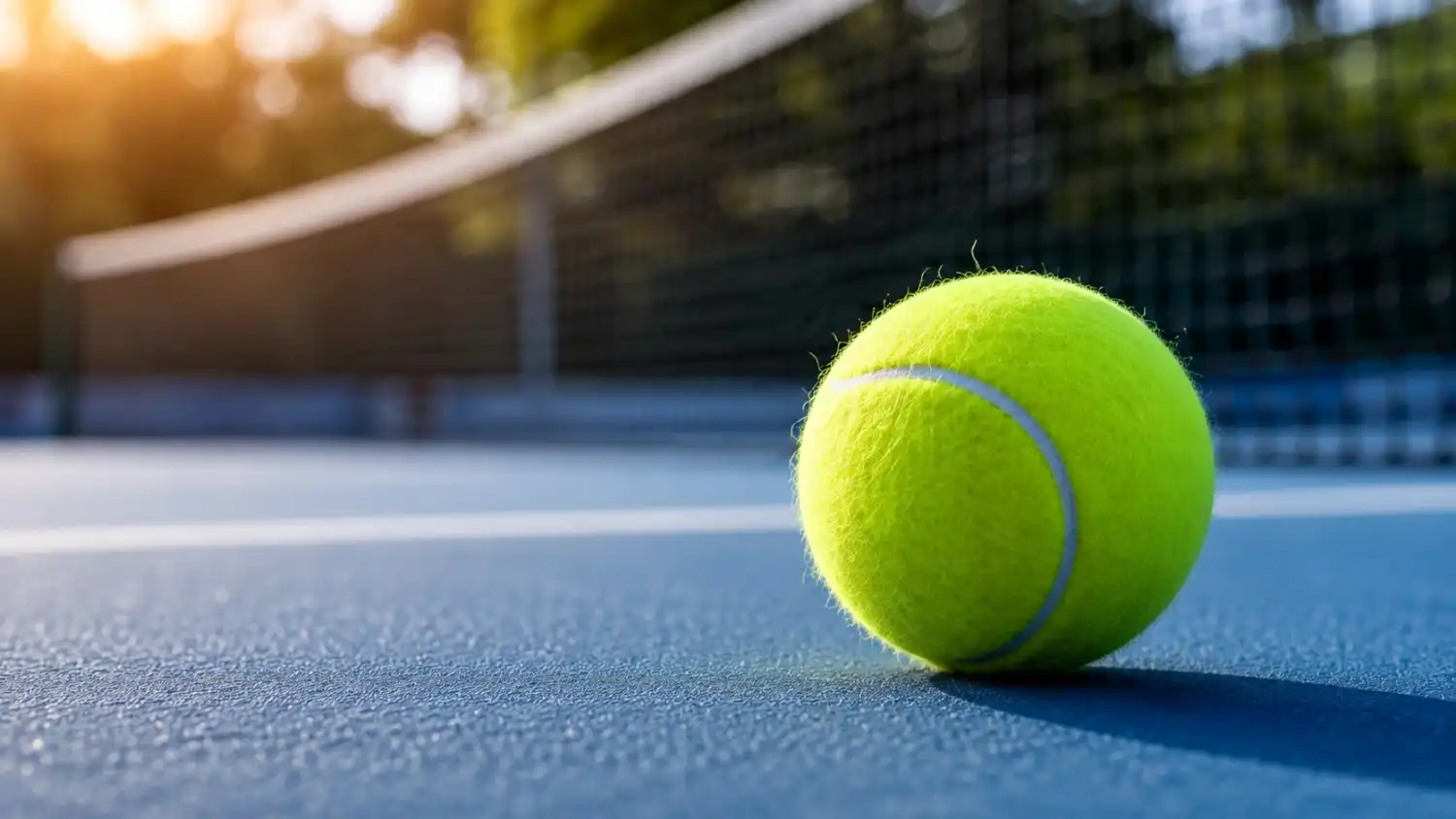
Every point starts with a fuzzy yellow sphere. Most players spend hours picking racquets but ignore the ball completely. That is a huge mistake.
The right tennis ball can change your spin, speed, and confidence. The wrong one can wreck your arm and your timing. This guide breaks down seven proven secrets that coaches quietly use.
You will learn machine drills, color science, storage tricks, and more. No fluff. Just practical details you can use this weekend.
Secret #1: What Color Is a Tennis Ball? The Debate That Never Dies
Ask ten players and you will get three answers. Some say yellow, some say green, and a few say chartreuse. The official answer surprises most people.
The International Tennis Federation calls the ball “optic yellow.” That color was introduced in 1972 because yellow reads better on color TV than white. Before that, tennis balls were white or black.
A 2018 viral debate on social media proved how split the public remains. Many swear the ball is green because of the felt and lighting. Your eyes are not broken.
Under bright sunlight, optic yellow leans yellow. Under indoor LED lights, it can shift toward green. Your brain also adjusts based on the surrounding court color. That is why the debate will never fully die.
| Audience | Says Yellow | Says Green | Other |
| Online poll 2018 | 48% | 47% | 5% |
| Club players 2023 | 55% | 41% | 4% |
| Coaches 2023 | 63% | 33% | 4% |
The numbers prove the color is not a settled question. Lighting, screen settings, and even age shape how you see it. Coaches lean yellow because they see fresh balls outdoors.
Second Secret: Tennis Ball Machine Exercises to Improve Your Weakest Shot
A tennis ball machine is not just for beginners. It is the fastest way to get reps without chasing balls. Set it to feed the same spot and you build muscle memory quickly.
Start with a crosscourt forehand drill. Set the machine to feed moderate pace to your forehand corner. Hit 50 balls aiming for a three-foot target past the service line. Rest 60 seconds. Repeat three times.
Move to a backhand slice pattern. Program a slower feed with more height. Work on staying low and cutting under the ball. The machine never gets tired, so you cannot make excuses.
Finally, use random oscillation. That forces your split step and recovery. The unpredictable feed simulates a real match better than any human hitting partner can.
Three Tennis Ball Machine Settings Worth Trying
- Topspin heavy: Ball speed 45-55 mph, feed rate every 4 seconds, high arc.
- Slice low: Speed 30-40 mph, feed every 6 seconds, low trajectory.
- Random match: Oscillation on, speed 50-65 mph, feed every 3 seconds.
Secret #3: Tennis Ball Launcher vs. Machine: Which One Fits Your Budget?
A tennis ball launcher is usually smaller, cheaper, and built for casual use. A full tennis ball machine gives you more control, spin, and battery life. Choosing the wrong one wastes money.
Launchers are great for kids and backyard practice. They toss balls high enough for easy contact. Most cost between $40 and $150 and run on simple battery power.
Machines start around $200 and can exceed $2,000. They let you adjust speed, spin, feed interval, and elevation. Serious players who hit alone should skip the launcher and invest in a machine.
If you only play once a week with family, a launcher is perfect. If you drill three times a week alone, a machine pays for itself in saved coaching fees.
| Feature | Tennis Ball Launcher | Tennis Ball Machine |
| Price | $40-$150 | $200-$2,000+ |
| Speed control | Limited | Wide range |
| Spin control | None | Topspin/backspin |
| Battery | Standard batteries | Rechargeable |
| Best for | Kids, casual fun | Solo training, drills |
The table shows why the choice depends on frequency. Occasional players never need advanced spin control. Solo grinders need every setting they can get.
How a tennis ball hopper can save you twenty minutes each practice is the fourth secret.
A tennis ball hopper looks simple, but it solves a huge problem. Picking up balls by hand wastes time and bends your back hundreds of times per session.
Hoppers hold 50 to 150 balls. The wire basket lets dirt fall through, so you do not carry extra grit to the next drill. Some have wheels for easy transport.
A 75-ball hopper works best for most club players. It is light enough to carry with one hand and holds enough for a 15-minute serve session without stopping.
The real secret is the pickup function. Turn the hopper upside down, press the wires over the ball, and it snaps inside. You collect 50 balls in under two minutes instead of ten.
- 50-ball hopper: Kids, warmups, small baskets.
- 75-ball hopper: Best all-around for solo practice.
- 150-ball hopper: Serve practice, coaching groups.
Secret #5: Tennis Ball Drawing and Clipart: Why Visuals Improve Your Coaching
A tennis ball drawing can do more than decorate a poster. Coaches use simple line drawings to show spin direction, contact points, and ball trajectories before a student ever swings.
A tennis ball clipart pack is useful for lesson plans, social media posts, and club flyers. Look for high-resolution PNG files with transparent backgrounds so they drop into any design cleanly.
Drawing the ball also helps players understand the seams. The two curved lines on a tennis ball are not random. They show how the felt panels meet and help your eye track spin in real time.
You do not need art skills. A basic circle with two curved lines teaches topspin and slice paths faster than a 20-minute verbal explanation. Visual learning sticks.
Secret #6: The Strange Truth About the Tennis Ball Bird
Bird watchers sometimes use the term tennis ball bird for small, round, yellow-green songbirds. The American Goldfinch and the Common Yellowthroat are frequent culprits.
From a distance, a perched goldfinch in bright sunlight looks exactly like a fuzzy optic yellow ball stuck in a bush. Backyard players have done double takes more than once.
The name is not official science. It is a field nickname that spread through birding forums. The shape, size, and color make the comparison instant.
If you spot one, grab binoculars before your racquet. The tennis ball bird moves fast, and the moment usually lasts only a few seconds.
Secret #7: Smart Buying Guide: Pressure, Felt, and Hidden Specs
Tennis balls come in three main types: pressurized, pressureless, and stage. Pressurized balls have more bounce and feel but go flat after a few weeks once opened.
Pressureless balls use a thicker rubber core. They do not lose bounce from sitting, but they feel heavier and stiff until broken in. They work well for practice and ball machines.
Extra-duty felt is for hard courts. Regular-duty felt is for clay and indoor courts. Using the wrong felt wears the ball out faster and changes how your shots spin.
Check the can for a date. Fresh balls feel livelier and grab the strings better. Old balls lose pressure even inside an unopened can after two years.
| Type | Bounce | Durability | Best Use |
| Pressurized | High | 2-4 weeks open | Matches, drills |
| Pressureless | Medium | Months | Ball machines, practice |
| Stage 3 | Lower | Short | Kids 10 and under |
Fresh pressurized balls give you more action on serve and groundstrokes. Pressureless balls survive thousands of machine feeds without turning into dead rocks.
Frequently Asked Questions
Why do tennis balls come in a can?
Pressurized tennis balls need a sealed can to keep internal pressure. The can traps air at the same pressure as inside the ball, so the rubber does not leak and go flat. Open the can and the clock starts ticking. Most serious players open a fresh can for every match.
How long do tennis balls last?
An open can of pressurized balls lasts about two to four weeks for casual play. Heavy hitters may kill them in one match. Pressureless balls last months. If the ball no longer bounces above your knee after a drop test, retire it.
Can dogs safely play with tennis balls?
Tennis balls are not designed for dog teeth. The abrasive felt can wear down enamel over time, and small pieces may become a choking hazard. Use a rubber dog ball for fetch. If your dog loves tennis balls, supervise closely and replace them often.
What is the difference between regular and pressureless tennis balls?
Regular balls have pressurized air inside the core for a lively bounce. Pressureless balls have a thicker rubber shell and bounce from the material itself. Pressureless balls feel heavier at first but last much longer, which makes them ideal for practice hoppers and machines.
What color is a tennis ball officially?
The International Tennis Federation calls the official color “optic yellow.” Broadcast cameras and human eyes can shift that color toward green depending on lighting. The 1972 switch from white to optic yellow made the ball easier to see on television.
How do you store tennis balls to keep them fresh?
Keep unopened cans in a cool, dry place away from direct sunlight. Once open, store balls in a pressurized can or a ball saver tube. Avoid leaving them in a hot car or garage because heat accelerates pressure loss and makes the felt hard.
Final Verdict: Stop Ignoring the Fuzzy Yellow Sphere
Most players lose points before they ever swing because they practice with dead balls. You now know how to pick, store, and use tennis balls with purpose.
Start with one change this week. Buy a fresh can for your next match. Set up a simple machine drill. Grab a hopper to cut pickup time in half.
The ball is not a boring accessory. It is the control center of every point. Treat it like part of your gear, and your consistency will climb faster than you expect.